Your collectors already want to trade.
They just can't. Not on your marketplace. Not yet.
Trading today is a mess.
Right now, your collectors are sitting in folding chairs at trade nights. Scrolling Facebook groups at 2am. Posting “ISO Shining Charizard / FST Base Set Charizard” in Discord channels where it gets buried in minutes. Driving three hours to a card show for the chance to find someone who has what they want.
This isn't a niche behavior. This is what collecting is. The desire to trade is fundamental. But your marketplace only lets users list and wait.
Every expired listing is a collector who wanted to trade but couldn't. Every user who drives to a card show instead of using your platform is engagement you've lost. The demand for trading already exists.
The infrastructure doesn't.
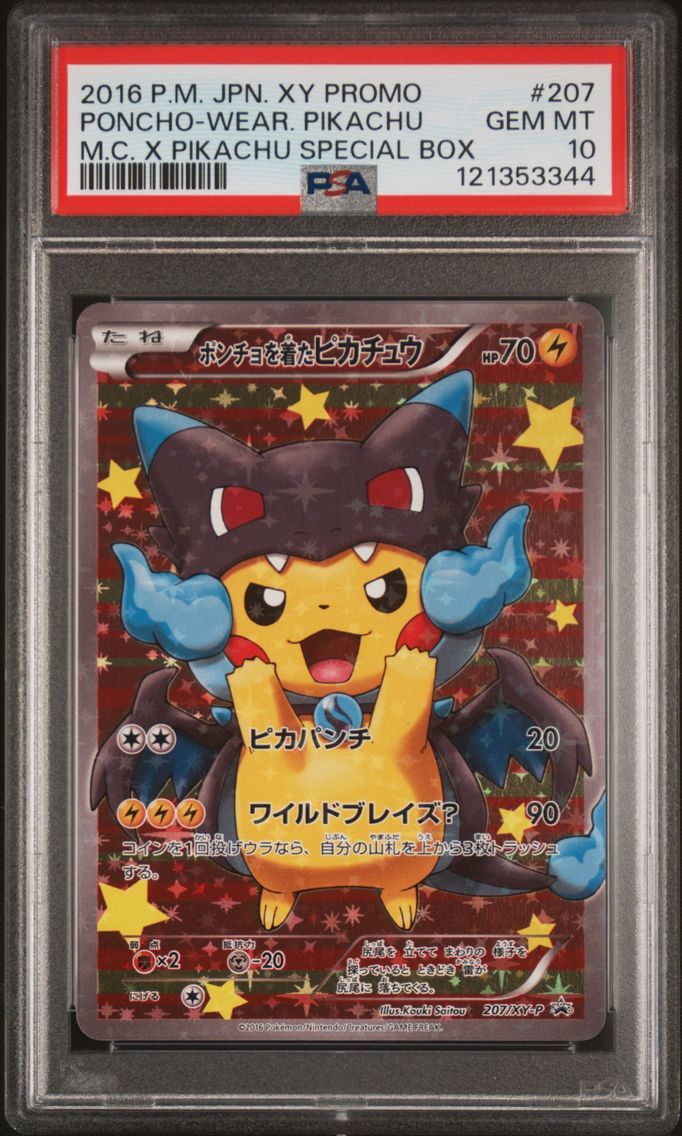
No replies.
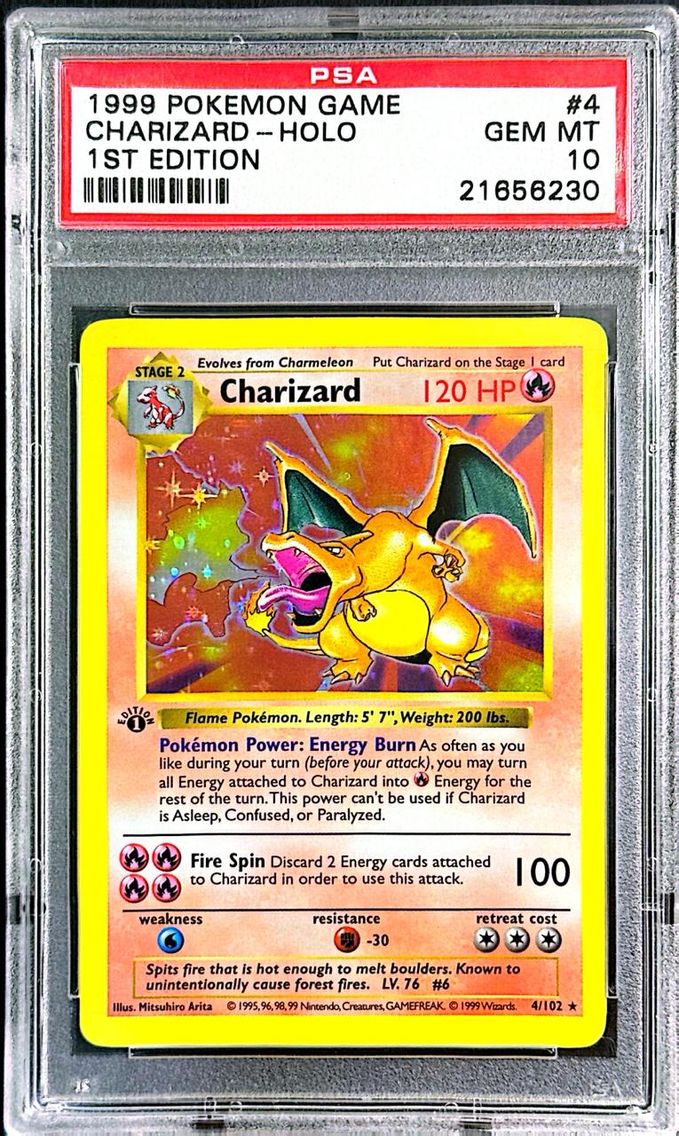
$42,000. Stuck.
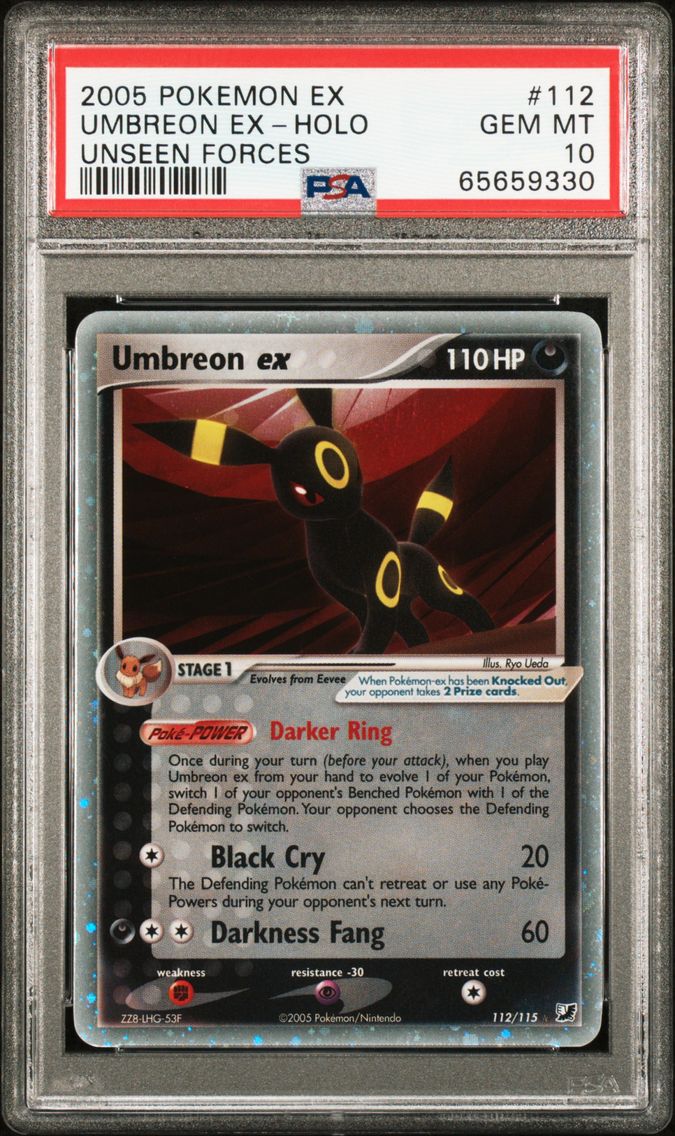
Came home with it.
The math doesn't work.
Every platform today forces the same cycle: sell at a discount, rebuy at a premium. Here's what that actually costs.
Sell your card
Buy the card you want
Total value destroyed to swap two $100 cards:
−39%
Based on eBay's published 13.25% seller fee. Before sales tax. Other platforms: 30-45%.
SWAPS eliminates this entirely. No listing. No bidding. No double fees. Your card for their card. The value stays with the collectors.
And here's what makes it even more powerful: collectors don't trade dollar-for-dollar. A card worth $100 on the open market might be worth $500 to the collector who needs it to complete a championship set. The market price is irrelevant — what matters is what the card is worth to them.
Order books trade on price. SWAPS trades on preference. That's why it unlocks trades that no marketplace has ever been able to find.
This is what your users see.
A side panel that lives alongside your existing marketplace. Your users keep buying and selling — and now they can trade too. Clean, fast, intuitive. Shadow DOM — zero conflicts.
Trade discovery feed
Every available trade, ranked by likelihood of acceptance. Four sort modes — best match, highest value, highest confidence, most recent. Filter by collection, minimum value, or confidence threshold. Your users see exactly what matters to them.
Trade flexibility slider
Collectors don't always trade dollar-for-dollar. The flexibility slider lets users express how much they care about value match versus getting the card they want. Strict means even trades only. Flexible unlocks more opportunities — because a $9,000 card is worth $12,000 to the right collector.
Wants list
Users tell SWAPS what they're looking for. Every want creates new connections in the network — the more preferences your users express, the more trades SWAPS can find. This is the flywheel: more wants, more trades, more engagement.
One-tap accept
See a trade you want? Tap accept. One wallet signature. Assets stay in the user's wallet until the trade executes. No escrow, no custodial risk, no waiting. The experience is as simple as hitting "Buy Now" — except nobody spends cash.
Real-time activity
A live feed of trades happening across your marketplace. What's moving, what's trending, what just got discovered. This is the engagement layer — users come back to check for new opportunities the same way they refresh a social feed.
The market is moving.
Collecting is changing. The marketplaces that adapt will capture the next wave.
Trading culture is exploding
Collectors don't just want to buy — they want to trade. Trade challenges on TikTok. ISO/FST posts flooding Discord. Meetups selling out. The culture has shifted, and marketplaces that don't enable trading will lose users to the ones that do.
Tokenization is the unlock
Graded cards are going onchain. Once assets are tokenized, programmable trading becomes possible — automated discovery, atomic settlement, trustless execution. SWAPS is the infrastructure that makes this real.
Stuck inventory is lost revenue
Every listing that expires without a sale is engagement your platform failed to capture. Every collector who trades at a card show instead of on your site is a transaction you didn't facilitate. SWAPS turns dead inventory into active trades — and every trade is platform activity you own.
First-mover advantage compounds
Liquidity begets liquidity. The first marketplace in each vertical to enable intelligent trading gets a network effect that compounds over time — more users, more inventory, more trades, more users. The window to be first is open now.
How SWAPS thinks.
Your marketplace is a network. Every user is a node. Every item they own and every item they want creates a connection. SWAPS uses graph theory — the same mathematics behind Google's search algorithm and social network recommendations — to navigate this network in real time.
We call it the living graph. When a user adds inventory, updates their wants, or changes a preference, SWAPS doesn't start from scratch. It updates the graph and instantly checks for new opportunities. The computation happens in milliseconds, not minutes.
The more users in your network, the exponentially more connections exist — and the more value SWAPS can surface.
10
users
90 connections
100
users
10,000+ connections
1,000
users
1,000,000+
Live in minutes.
Connect your inventory
Push your users' inventory and preferences to SWAPS. One endpoint. A few lines of code.
POST /api/v2/inventory
Authorization: Bearer sk_live_...

{
  "userId": "user_123",
  "items": [
    { "assetId": "charizard-1st-psa10", "collection": "base-set" }
  ]
}Embed the widget
One script tag. Shadow DOM isolation means zero conflicts with your existing design. Light and dark themes built in.
<script
  src="https://cdn.swapsapi.com/widget.js"
  data-key="pk_live_..."
></script>
Watch trades happen
SWAPS discovers trades automatically as inventory and preferences change. Your users see opportunities in real time. One tap to accept. Atomic onchain settlement handles the rest.
SWAPS requires assets to be tokenized onchain (Ethereum or Solana). If your marketplace isn't onchain yet, we can help you get there. Talk to us ›
Built for trust.
Your users' assets are their assets. SWAPS never takes custody. Ever.
Assets never leave the wallet
No escrow. No custodial risk. Assets stay in the user's wallet from listing to settlement. SWAPS uses a delegate model — permission to move assets is granted only when all conditions are met, and only at the moment of execution.
All-or-nothing execution
Every trade is atomic. Either everyone involved gets exactly what was agreed, or nothing happens. No partial fills. No counterparty risk. One onchain transaction settles everything simultaneously.
Onchain settlement
Ethereum and Solana today. Any EVM chain tomorrow. Settlement happens onchain where it's verifiable, immutable, and trustless. Your users don't need to trust SWAPS. They trust the blockchain.
Transparent by default
Every trade is discoverable onchain. Every settlement is verifiable. Users see exactly what they're giving and what they're getting before they sign anything. No hidden fees. No slippage. No surprises.